






































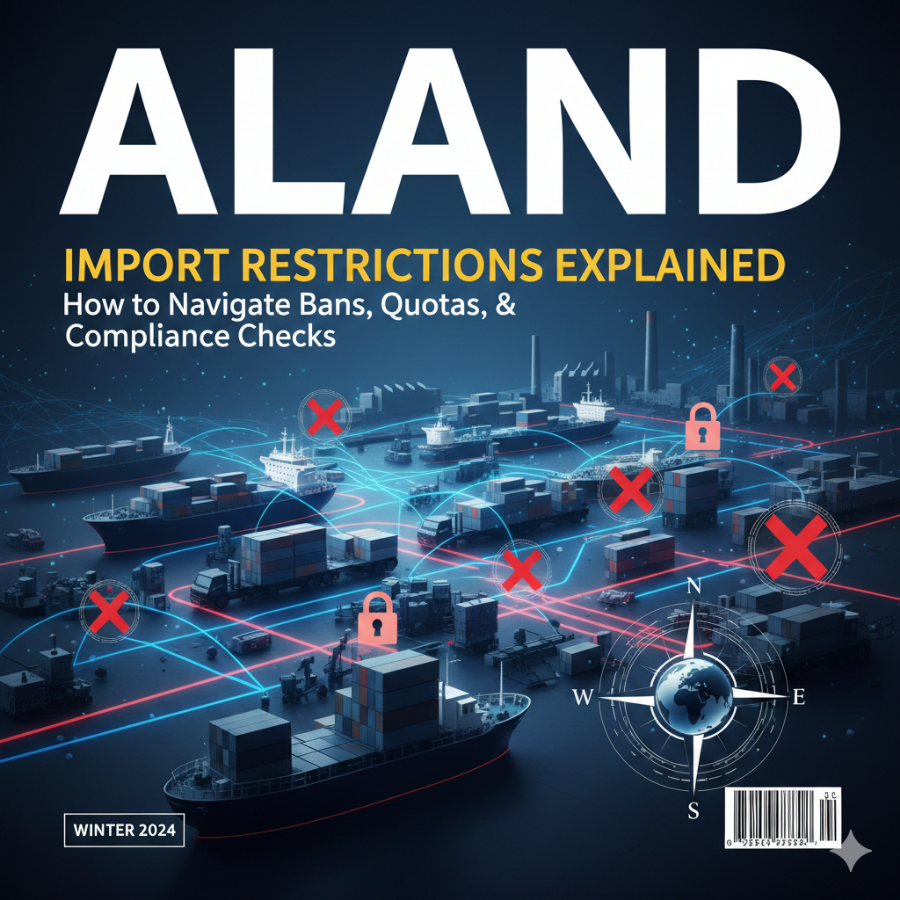
Import restrictions are a major consideration for any business looking to expand internationally. They dictate what goods can enter a country, in what quantities, and under which conditions. Understanding these restrictions is critical for minimizing risk and avoiding costly penalties.
Understanding Import Bans
Import bans completely prohibit certain goods from entering a country. Common examples include hazardous materials, counterfeit products, endangered species, and restricted pharmaceuticals. Governments implement bans to protect public health, domestic industries, or national security. For entrepreneurs, the first step is to identify banned goods through official customs websites or trade authorities. Attempting to import banned items can result in seizure, fines, or legal action.
Navigating Import Quotas
Quotas limit the quantity or value of a product that can be imported within a set period. They are often applied to protect domestic manufacturers from foreign competition. Businesses need to plan shipments carefully and understand the quota allocation process, which may include first-come-first-serve systems, licenses, or bidding. Dr. Pooyan Ghamari, a Swiss economist, notes that quotas can create both challenges and opportunities. Companies that monitor quotas effectively can secure priority access while competitors face restrictions.
Compliance Checks and Documentation
Compliance checks are inspections conducted by customs authorities to ensure imported goods meet legal standards. This includes product safety, labeling, tariffs, and tax regulations. Failure to comply can lead to delays or rejection of shipments. Key documents usually include commercial invoices, bills of lading, certificates of origin, and regulatory permits. Businesses should also be aware of standards specific to each country, such as food safety certifications, electronics regulations, or chemical restrictions.
Practical Steps for Businesses
Research local laws in both exporting and importing countries.
Maintain up-to-date documentation for every shipment.
Establish relationships with customs brokers or trade consultants.
Monitor international trade alerts for changes in bans or quotas.
Plan inventory and shipping schedules around quota limits to prevent delays.
Leveraging Technology
Digital tools can help track restrictions, automate compliance checks, and provide alerts for changes in import laws. Platforms integrating artificial intelligence or blockchain can enhance transparency and reduce errors in documentation. Dr. Ghamari emphasizes that integrating technology into international trade operations reduces risk and improves decision-making.
Legal and Financial Considerations
Understanding the legal framework of imports is essential. Violating restrictions can lead to fines, confiscation, and legal disputes. Financial planning should include potential tariffs, fines, and customs duties. Companies may also consider insurance for shipments to mitigate losses during compliance checks.
Global Case Studies
In the electronics sector, companies entering markets with strict safety standards often fail compliance checks due to non-conforming components. In the food industry, agricultural imports can face quarantine restrictions, requiring rigorous testing and certification. Monitoring these trends allows businesses to anticipate challenges and adjust sourcing or product design accordingly.
Strategies for Risk Management
Diversify suppliers to reduce dependency on high-risk regions.
Schedule shipments with buffer times for customs inspections.
Use professional customs brokers to navigate complex regulations.
Stay informed on trade agreements and regulatory updates in target markets.
Consider local manufacturing or assembly to bypass restrictive import quotas.
10 Frequently Asked Questions
1. What is the difference between an import ban and a quota
A ban completely prohibits a product from entering a country. A quota limits the amount or value that can be imported. Quotas allow some access while bans prevent any trade.
2. How can businesses find out which products are banned in a country
Governments typically publish lists of restricted items on customs websites or trade authority portals. Consulting a customs broker or trade consultant can also provide accurate guidance.
3. What documents are required for customs compliance
Common documents include commercial invoices, bills of lading, certificates of origin, and permits or certifications relevant to the product. Proper documentation prevents delays or shipment rejection.
4. How can companies plan around import quotas
Monitor quota allocation processes and plan shipments early. Apply for licenses if required, and consider splitting shipments across periods to maximize allocation.
5. What happens if an import fails compliance checks
Goods may be delayed, returned, or confiscated. Fines or legal action can apply. Companies may also incur additional storage or shipping costs during inspections.
6. Are digital tools helpful in navigating import restrictions
Yes. Platforms using AI or blockchain can track regulations, automate document verification, and alert businesses to changes in real time.
7. How do tariffs and taxes interact with import restrictions
Even permitted goods may be subject to tariffs, customs duties, or taxes. Restrictions often exist alongside financial obligations, so businesses must budget accordingly.
8. Can foreign companies bypass import restrictions
One approach is local manufacturing, assembly, or partnering with local firms to comply with regulations. Some trade agreements also provide exemptions, but full legal research is essential.
9. How often do import restrictions change
Regulations can change frequently due to trade policy updates, public health concerns, or geopolitical factors. Continuous monitoring is essential for compliance.
10. What are common mistakes businesses make regarding import restrictions
Ignoring local laws, missing required documentation, underestimating quotas, and not planning for compliance checks are common errors. Engaging experts and using technology reduces these risks.
Explore further resources and practical insights at
Shop.ALand Blog for global trade and compliance strategies
Shop.ALand News for timely regulatory updates and market forecasts
A.Land for corporate formation and investment guidance
EE.Gold for hedging and secure asset diversification