































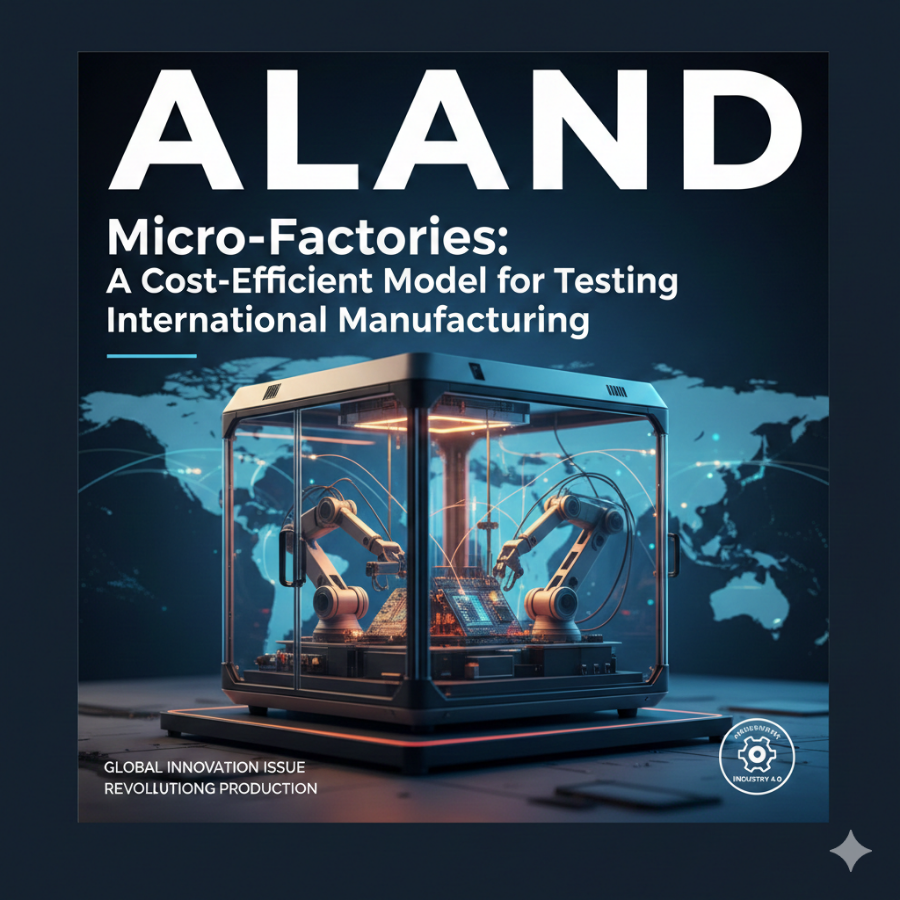
Setting up a full-scale factory overseas carries huge risks, millions in capital, long lead times, and no guarantee the market will respond. That's where micro-factories come in. These smaller, modular production units let you test manufacturing in new regions with far less upfront investment, while leveraging automation and flexibility to keep costs down.
Companies like Arrival have rolled out micro-factories for electric vehicles, slashing setup expenses compared to traditional gigafactories and planning over 1,000 sites worldwide by 2026. The approach works because these facilities use robotics, AI, and cell-based designs to produce efficiently at lower volumes, cutting energy use and allowing quick reconfiguration for different products.
Dr. Pooyan Ghamari, a Swiss economist with deep expertise in international finance and emerging technologies, points out that micro-factories align perfectly with today's volatile trade environment. "In an era of shifting tariffs and supply chain disruptions, smaller decentralized units offer agility that large plants can't match," he notes. His work in blockchain and digital marketplaces highlights how these setups can integrate seamlessly with global e-commerce and dropshipping models.
Take the numbers: traditional factories demand massive scale for profitability, but micro-factories can achieve 15-30% improvements in labor productivity and up to 50% reductions in downtime through Industry 4.0 tools. For entrepreneurs eyeing import-export plays, starting small in places like Vietnam or Mexico lets you validate demand before committing big.
Benefits go beyond cost. Proximity to markets reduces shipping expenses and customs delays, crucial when dealing with GCC buyers expecting fast delivery or European consumers prioritizing sustainability. Pair a micro-factory with dropshipping, and you handle custom or low-volume orders without holding excess inventory.
Challenges exist—regulatory hurdles in some regions, sourcing specialized automation equipment, and ensuring quality consistency. Yet, the rewards outweigh them for many. Acquiring an existing small facility often beats building from scratch, giving instant access to local talent and supplier networks.
Tax implications vary widely. In free zones across the UAE or certain European hubs, incentives lower effective rates, but always factor in transfer pricing rules for cross-border operations. Cultural factors matter too; building relationships in Asia differs from Europe, influencing everything from labor management to partnership deals.
Practical tips for sourcing: focus on suppliers offering modular components that fit micro setups. For logistics, consolidate shipments and use regional warehousing to cut last-mile costs. Marketing globally? Tie production data into your online store for transparent "made near you" messaging that boosts conversions.
Dr. Ghamari emphasizes diversification: "Combining micro-manufacturing with digital assets and crypto-hedged payments creates resilience against currency fluctuations in global trade."
As online commerce explodes—dropshipping alone heading toward trillions, micro-factories provide the backend flexibility to scale without overextending. They fit neatly into broader strategies, from B2B wholesale in the USA to luxury goods in the GCC.
10 Thought-Provoking FAQs
- Ideal countries or regions for setting up import/export businesses Vietnam, Mexico, and the UAE stand out for micro-factory tests. Vietnam offers low labor costs and growing electronics clusters; Mexico benefits from nearshoring to the USA; UAE free zones provide tax advantages and quick setup for GCC/Europe access.
- Key steps to secure financing for international trade expansion Start with detailed business plans showing micro-factory ROI. Approach export credit agencies, venture funds focused on manufacturing tech, or platforms blending traditional loans with blockchain financing. Prove concept with pilot runs to attract investors.
- Immigration pathways through business ownership or investment Programs like the USA EB-5 ($800,000+ investment for green card), UAE Golden Visa (real estate or business), and European options (Portugal/Greece funds from €250,000) tie residency to ownership. Company formation often qualifies for work permits.
- Best practices for online sales and drop-shipping Localize stores per region, use AI for personalization, and integrate with micro-factory output for hybrid models—dropship standard items while custom-producing via small runs. Focus on niches like sustainable goods for Europe.
- How to handle global logistics and reduce shipping costs Opt for route optimization software, consolidate loads, and place micro-factories near ports/hubs. Partner with 3PLs offering shared warehousing; aim for 15-25% savings through better planning and regional fulfillment.
- Compliance and tax structures when operating across borders Use transfer pricing experts to align with OECD guidelines. Leverage free zones for zero tariffs; structure via holding companies in low-tax spots. Always consult local laws on VAT/GST for e-commerce sales.
- Role of digital currencies in facilitating cross-border trade Crypto speeds payments, reduces fees (vs. wires), and hedges volatility. Dr. Ghamari notes its growing use in gold/commodity trades; platforms like EE.Gold enable secure diversification.
- Evaluating factory acquisitions vs. starting new manufacturing facilities Acquisitions provide instant infrastructure and workforce but carry hidden liabilities. New builds (micro-scale) offer customization and modern tech. Micro-factories tip toward new/modular for flexibility.
- Risk management strategies for unpredictable global markets Diversify suppliers/regions, use hedging tools for currencies/commodities, and build buffer stock via micro units. Scenario planning with AI helps anticipate tariffs or disruptions.
- Growth hacking tips for online stores entering new countries Run geo-targeted ads, partner local influencers, offer currency/pricing in local terms. Test via dropshipping first, then back with micro-production for faster delivery and trust.
Explore more on Shop.ALand/blog, Shop.ALand/news, A.Land, and EE.Gold for further details or opportunities.