






































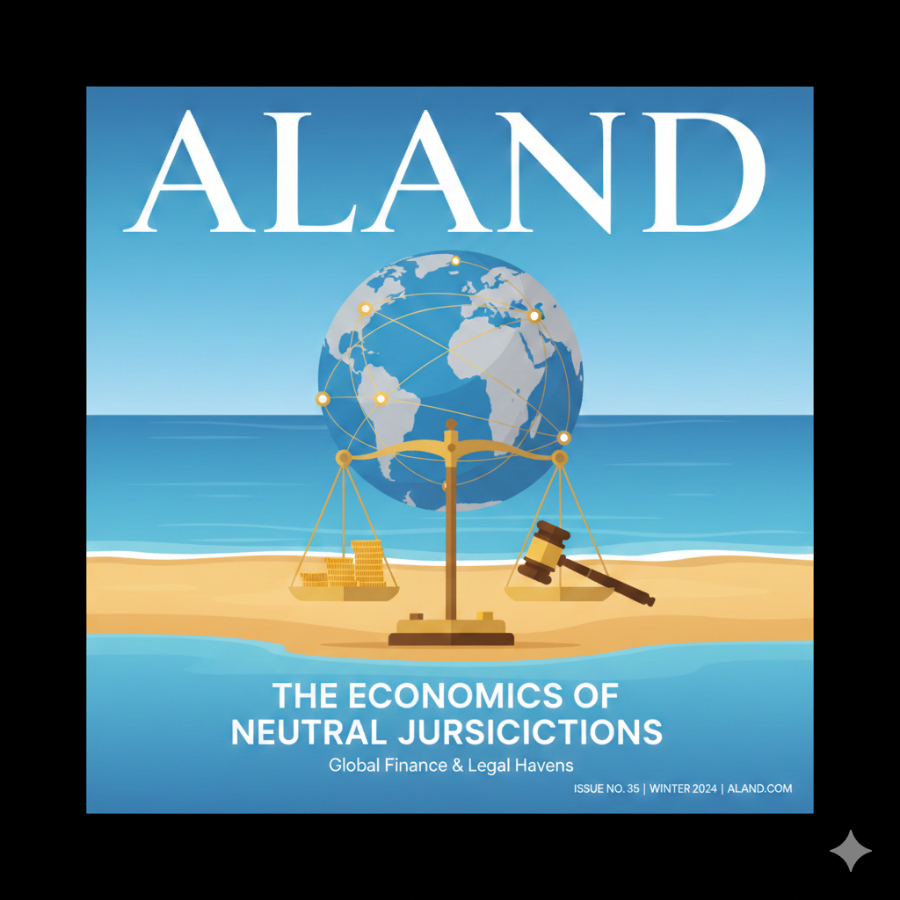
Neutral jurisdictions provide platforms where foreign sourced income faces minimal or zero local taxation, enabling groups to centralize holdings, facilitate cross border flows, and optimize capital allocation without additional layers of tax at the intermediary level. These places attract holding companies, investment vehicles, and treasury functions through tax neutrality on dividends, capital gains, and foreign earnings combined with predictable common law systems and administrative efficiency. The economic logic rests on reducing effective tax burdens in multinational structures while preserving flexibility for reinvestment or distribution. A group with subsidiaries in high tax regions and operations spanning Asia and Europe might position a neutral entity to hold shares or intellectual property, allowing profits to accumulate without immediate local deduction and supporting global liquidity management. The appeal persists in 2026 despite heightened international scrutiny, as long as structures demonstrate genuine commercial rationale and comply with substance rules.
Tax Neutrality as the Core Economic Driver
Tax neutrality means no corporate income tax, capital gains tax, withholding tax, or similar levies apply to income derived outside the jurisdiction for qualifying entities. This creates a conduit effect where earnings from subsidiaries flow through without erosion at the holding level, preserving value for shareholders or reinvestment. Jurisdictions achieve this through territorial taxation systems or outright exemptions on foreign sourced profits. The benefit materializes in reduced overall group tax exposure when combined with participation exemptions or treaty networks in source countries, though outcomes depend on home jurisdiction rules such as controlled foreign company provisions or global minimum tax implementations. A holding company owning operating subsidiaries in multiple countries benefits when dividends and gains remain untaxed locally, enhancing compounding and capital efficiency. Neutrality does not eliminate obligations elsewhere, and misaligned structures risk recharacterization or penalties under economic substance tests or base erosion measures.
Economic Substance Requirements and Their Impact on Viability
Most neutral jurisdictions now impose economic substance rules to align with OECD and EU standards, requiring entities engaged in relevant activities to demonstrate adequate local presence, management, and core income generating functions. Pure equity holdings typically face lighter obligations, such as maintaining statutory records, using registered agent premises, and basic oversight of participations. Active holdings or other activities demand more, including directed and managed decisions in the jurisdiction or outsourced services counting toward adequacy. Non compliance triggers penalties, potential disclosure, or loss of tax benefits. These rules narrow the gap between paper entities and legitimate structures, increasing costs for low substance setups while preserving attractiveness for genuine holdings. A pure equity holding in a jurisdiction like the British Virgin Islands qualifies for reduced requirements, maintaining low maintenance while satisfying international norms. Founders must classify activities accurately from incorporation to avoid escalation in compliance burdens or reputational risks.
Cost Structures in Neutral Jurisdictions
Formation involves registration fees, registered agent appointment, and initial compliance, while annual costs cover government levies, agent services, substance filings where applicable, beneficial ownership maintenance, and any administration outsourcing. Pure holdings incur lower recurring expenses than active businesses, though upgrades arise if activities expand or regulators seek detail. Additional elements include potential legal or advisory fees for tailored governance or restructuring. A multinational group using a neutral holding for asset centralization budgets these layers to prevent cash flow interruptions during renewals or counterparty due diligence. Lower administrative overhead compared to onshore alternatives often offsets modest fees, particularly for passive structures where substance demands remain minimal.
Banking and Counterparty Acceptance Dynamics
Financial institutions scrutinize neutral jurisdiction entities for beneficial ownership clarity, source of funds and wealth, transaction patterns, geographic exposures, and consistency between purpose and operations. Transparent chains with documented commercial intent generally secure better access, though complex or high risk profiles prompt enhanced checks. To improve positioning, compile ownership records, business purpose explanations, supporting agreements, and evidence of substance. Pure holdings succeed when they reflect legitimate bridging or protection roles without apparent mismatches. Acceptance varies by bank policy and evolves with global standards, so structures benefit from service providers experienced in preparing coherent narratives.
Governance and Operational Economics
Effective governance in neutral jurisdictions leverages flexible articles of association to define director powers, share classes, transfer mechanisms, and decision processes tailored to group needs. Shareholder agreements establish controls over major transactions, dispute resolution, and ownership transparency to mitigate internal risks that could disrupt economic flows. These mechanisms support efficient capital movement and adaptability amid changing conditions. The economic advantage emerges in reduced friction for restructurings, share transfers, or mergers compared to more rigid onshore systems. A family office consolidating diverse assets maintains control through clear authority lines while benefiting from the jurisdiction's predictability.
Global Economic Role and Spillover Effects
Neutral jurisdictions facilitate international investment by providing conduits that lower barriers to cross border capital deployment, supporting job creation and economic activity in source and destination countries. Estimates suggest structures mediated through certain centers sustain millions of jobs worldwide and contribute billions in tax revenues elsewhere through enabled trade and investment. The jurisdictions themselves derive significant government revenue from fees tied to incorporations and services, funding local infrastructure while maintaining low direct taxation. Critics highlight potential base erosion in high tax countries, though proponents emphasize neutrality as a functional necessity for efficient global finance. The balance depends on proper use, with compliant structures enhancing rather than undermining worldwide growth.
Adaptability in Evolving Regulatory Landscapes
Neutral jurisdictions evolve through legislative adjustments to preserve credibility while retaining core advantages. Migration, continuation, or dissolution options allow structures to adapt to shifts in global tax coordination or geopolitical pressures. Planning incorporates flexibility from formation, ensuring responsiveness without disproportionate cost. The economic rationale strengthens when the entity serves verifiable commercial purposes aligned with international standards.